
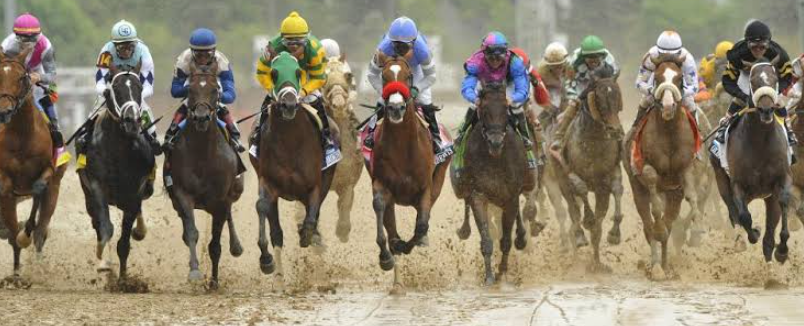
A horse may possess a good form, the right distance, and a good barrier but still may not win. Why? It is like, in some cases, it all depends on how the race is run.
It is at this point that pace in horse racing comes in. Pace is able to alter the entire form of a race. It may help a front-runner stay clear or give a backmarker the chance to finish strongly. Punters may find this aspect of racing to be of some useful context that a mere glance at recent results may not achieve.
Pace is simply the speed a race is being run, particularly on the first and middle stages. Not all races require a long start. There are those who start slowly and gradually increase towards the end.
The pace can be influenced by a few things. These consist of distance, track, barrier draw, jockey tactics, as well as the typical racing style of an individual horse.
Slower speed results in horses in front having an advantage since those at the back of the field will have less time to overtake them.
Fast Pace vs Slow Pace
Imagine several horses in the same race that all like to lead. They may push each other from the start. This can create a fast pace.
The leaders could then use too much energy early. Horses sitting just behind them may get their chance in the final part of the race.
Now imagine there is only one clear leader. That horse may be able to settle in front without much pressure. If the pace stays slow, it can save energy and sprint strongly when the
jockey asks for more.
This is why knowing where each horse is likely to sit can be useful.
Why Does Pace Matter to Punters?
Past results do not always tell the full story.
Suppose a horse finished sixth in its last start. On paper, that may look poor. But perhaps the race was run slowly and the horse was sitting near the back. It may never have had a fair chance to close the gap.
In its next race, several front-runners could create a much quicker tempo. Suddenly, the same horse may get a better race setup.
Looking at pace in horse racing can therefore help punters understand why a horse performed the way it did, rather than judging it only by where it finished.
How Can You Assess the Likely Pace?
You do not need to make it complicated. Start by checking the normal racing position of each horse.
Look for horses that regularly lead or race close to the lead. Then find those that usually settle in midfield or towards the rear. If several horses like to lead, there could be early pressure. If only one prefers the front, it may get an easier run.
Distance matters too. Short races can produce plenty of early speed, while longer events can become more tactical. Barrier position can also affect how easily a horse gets to its preferred spot.
Good race analysis is rarely about one factor alone. Form, track conditions, distance and pace can all play a part. If you want more racing information in one place, Racing Rant subscriptions offer access to racing-focused content and subscription options. It can be a useful addition for punters who want to spend less time searching and more time making sense of a race.
Don't Judge a Horse on the Result Alone
Understanding pace in horse racing gives you another way to read a race. A poor finish does not always mean a poor run, just as a win does not always mean the horse had to overcome a difficult setup.
Before your next race, look beyond the finishing positions. Ask which horses want the lead, where the pressure may come from and who could benefit from the expected tempo. That simple habit can give you a clearer picture of how the race may unfold.
Remember that racing and betting always involve uncertainty. Pace analysis can support your judgement, but it cannot guarantee a result.


Comments