
Access Denied
IMPORTANT! If you’re a store owner, please make sure you have Customer accounts enabled in your Store Admin, as you have customer based locks set up with EasyLockdown app. Enable Customer Accounts
News
Understanding Pace in Horse Racing and Why it Matters
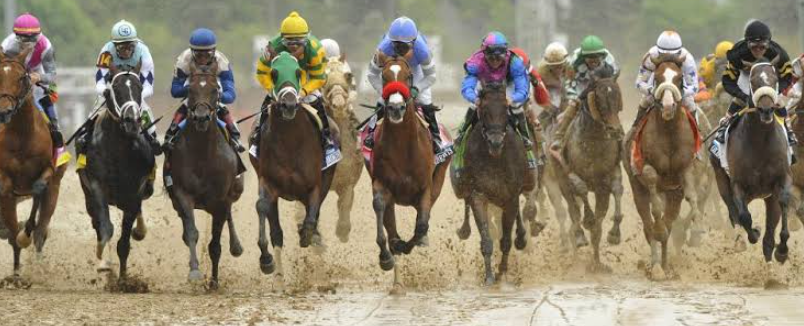
A horse may possess a good form, the right distance, and a good barrier but still may not win. Why? It is like, in some cases, it all depends on how the race is run.
It is at this point that pace in horse racing comes in. Pace is able to alter the entire form of a race. It may help a front-runner stay clear or give a backmarker the chance to finish strongly. Punters may find this aspect of racing to be of some useful context that a mere glance at recent results may not achieve.
Pace is simply the speed a race is being run, particularly on the first and middle stages. Not all races require a long start. There are those who start slowly and gradually increase towards the end.
The pace can be influenced by a few things. These consist of distance, track, barrier draw, jockey tactics, as well as the typical racing style of an individual horse.
Slower speed results in horses in front having an advantage since those at the back of the field will have less time to overtake them.
Fast Pace vs Slow Pace
Imagine several horses in the same race that all like to lead. They may push each other from the start. This can create a fast pace.
The leaders could then use too much energy early. Horses sitting just behind them may get their chance in the final part of the race.
Now imagine there is only one clear leader. That horse may be able to settle in front without much pressure. If the pace stays slow, it can save energy and sprint strongly when the
jockey asks for more.
This is why knowing where each horse is likely to sit can be useful.
Why Does Pace Matter to Punters?
Past results do not always tell the full story.
Suppose a horse finished sixth in its last start. On paper, that may look poor. But perhaps the race was run slowly and the horse was sitting near the back. It may never have had a fair chance to close the gap.
In its next race, several front-runners could create a much quicker tempo. Suddenly, the same horse may get a better race setup.
Looking at pace in horse racing can therefore help punters understand why a horse performed the way it did, rather than judging it only by where it finished.
How Can You Assess the Likely Pace?
You do not need to make it complicated. Start by checking the normal racing position of each horse.
Look for horses that regularly lead or race close to the lead. Then find those that usually settle in midfield or towards the rear. If several horses like to lead, there could be early pressure. If only one prefers the front, it may get an easier run.
Distance matters too. Short races can produce plenty of early speed, while longer events can become more tactical. Barrier position can also affect how easily a horse gets to its preferred spot.
Good race analysis is rarely about one factor alone. Form, track conditions, distance and pace can all play a part. If you want more racing information in one place, Racing Rant subscriptions offer access to racing-focused content and subscription options. It can be a useful addition for punters who want to spend less time searching and more time making sense of a race.
Don't Judge a Horse on the Result Alone
Understanding pace in horse racing gives you another way to read a race. A poor finish does not always mean a poor run, just as a win does not always mean the horse had to overcome a difficult setup.
Before your next race, look beyond the finishing positions. Ask which horses want the lead, where the pressure may come from and who could benefit from the expected tempo. That simple habit can give you a clearer picture of how the race may unfold.
Remember that racing and betting always involve uncertainty. Pace analysis can support your judgement, but it cannot guarantee a result.
How Do Deductions Work in Horse Racing?
If you are a regular follower of an Australian horse racing, you might have noticed that the odds you saw while placing a bet may change post scratching of a horse. This is exactly where horse racing deductions comes into play.
At initial phase, deductions might seem confusing, but the basic idea is upfront, they adjust fixed odds when a runner is withdrawn from a race. A clear understanding of their working can assist punters in knowing what to expect when a late scratching puts an impact on the market.
What Is a Deduction in Horse Racing?
A deduction is the reduction applicable for the fixed odds of the remaining runners whenever a horse is scratched from a race. Why it is applied? After withdrawal of a horse, the chances of other runners winning efficiently enhances. If in case the scratched horse was well-fancied, its removal can have a substantial impact on the market.
Like for instance, the price of a horse is $1.10 and is scratched. The remaining runners now have a good chance of winning. Instead of allowing punters to retain the original price, bookmakers make adjustment of the odds through a reduction. The bet on the scratched runner is then refunded, while applied bets on the other runners are deducted.
The amount deducted relies highly on the price of the scratched horse. In general, the shorter the odds of the horse, the bigger is the deduction.
How Are Horse Racing Deductions Calculated?
Bookmakers make use of deduction tables for determining the right percentage. While the precise figures might vary in between the bookmakers, the principle remains the same. Like for example, if in case the scratched runner outcome is 40% deduction and you had supported another horse at $5, the adjustable odds is calculated through multiplication of $5 with 0.60. This results in adjusted odds of $3.00.
This is the reason why checking the deduction percentage is vital while reviewing a bet post a scratching. A long priced runner, might have very less or no effect on the prices of the other horses. The larger the supposed influence of the scratched runner on the market, the bigger is the deduction.
When Do Deductions Apply?
Deductions is mainly applied to fixed odd bets on final field markets. These are the markets where final declaration of the runners has been done and there is availability of the information such as barrier positions and jockeys.
In general, they are applied to the tote bets. With tote betting, redistribution of complete betting pool is done post scratching, so that the dividend are adjusted accordingly.
It is also vital to understand that the difference between final field and All in or futures markets. Deductions normally does not apply to all in Bets as these markets are provided before the final field is known. But there is a vital trade off, if the horse you supported do not takes its place ultimately, your bet loses instead of being refunded.
Why Should Punters Understand Deductions?
A strong knowledge of how deductions work helps in prohibiting surprises while checking your returns. A bet that appears appealing at the time of placement might produce a low payout if a substantial scratching occurs.
Prior to placing a wager, it is good to check whether you are placing bet into a final field or All in market and understand the rules of deduction of bookmaker.
Eventually, deductions are made for keeping fixed odds markets good once the runner is removed. Once you have a good understanding of the basic calculation and when deductions are applied, changes to your horse racing odds becomes very easy to follow.
Knowing how deductions work can prevent unpleasant surprises when checking your returns. A bet that appeared attractive at the time of placement may produce a lower payout if a significant scratching occurs.
Before placing a wager, it is worth checking whether you are betting into a final-field or All In market and understanding the bookmaker's deduction rules.
Ultimately, deductions are designed to keep fixed-odds markets fair after a runner is removed. Once you understand the basic calculation and when deductions apply, changes to your horse racing odds become much easier to follow.
How Smart Punters Use SP Profiles
Horse racing is not merely about choosing the best horse. The winning punters also research the betting market prior to making their bets. The SP Profile is one of the tools that they can use.
SP refers to Starting Price; it is the last odds of a horse when the race starts. These odds show the perception of the betting market on the horse immediately before the race. With the help of SP Profiles, smart punters are able to determine patterns of betting, the confidence in the market and make superior betting decisions.
In this guide, you will know what is an SP Profile, why it is important and how experienced punters utilize it to maximize their performance.
Why SP Profiles Matter
The betting market has professional punters, bookmakers, and analysts. Their betting is usually a result of thorough research.
When you look at an SP Profile, you:
- Know the way the market has rated a horse.
- Always see well-supported spot horses.
- Find runners that may have been overlooked.
- Compare market confidence across various races.
- Get more information prior to making a bet.
Instead of relying only on race form, smart punters combine SP data with other important factors.
How Smart Punters Use SP Profiles
1. Look for Consistency
A horse that has frequent short odds starting has in most cases gained the respect of the market.
Although it may not have won all races, a regular market following can usually indicate that the horse has talent.
For example:
- SP: $2.80
- SP: $3.10
- SP: $2.90
- SP: $2.70
The betting market has been steadily confident in this trend.
2. Compare SP with Results
It happens that a horse performs poorly even though it started as a favourite.
Instead of ignoring it next time, experienced punters ask why.
The horse may have:
- Had a bad barrier.
- Experienced interference.
- Experienced inappropriate track conditions.
- Needed a run after a break.
In case the horse is well-supported once again, it might be worth another look.
3. Monitor Market Changes.
When used together with the current betting prices, SP Profiles are even more useful.
When a horse normally begins at about $3, but is on offer at $6 before its next race, inquire why.
Possible reasons include:
- Tougher competition.
- Fitness concerns.
- Track conditions.
- Unsupported betting.
Knowing these differences will enable you to make better decisions.
4. Avoid Following Every Favourite
Numerous amateurs just bet favourites.
Smart punters know that not every favourite offers value.
Instead, they research the SP history of the horse, its present form, distance, jockey and trainer before making a decision.
5. Find Horses Ready to Improve
There are horses that start to shorten in price gradually with a series of starts.
For example:
- $10
- $7
- $5
- $3.50
The trend could indicate more confidence in the betting market as the horse gets better.
Quick Guide to Reading an SP Profile
|
SP Pattern |
What It May Indicate |
|
Consistently short odds ($2–$4) |
The market has strong confidence in the horse. |
|
SP getting shorter over recent races |
The horse may be improving and attracting more support. |
|
SP getting longer over time |
Market confidence may be decreasing. |
|
Favourite but poor result |
Review the race circumstances before ruling the horse out. |
|
High odds with a surprise win |
The market underestimated the horse or conditions suited it. |
Common Mistakes to Avoid
Many new punters misunderstand SP Profiles.
Avoid these mistakes:
- Based on Starting Price.
- Thinking that all the favourites will do well.
- Disregarding existing race conditions.
- Losing sense of distance or track.
- Following losses on a single outcome.
Remember that SP is only one part of the overall picture.
If you want even more than the simple betting tips, then take a look at Racing Rant Subscriptions. They subscribe and give punters expert race analysis, professional selections, and in-depth betting advice to make informed decisions.
Final Thoughts
Anyone who wishes to place bets more intelligently is welcome to use SP Profiles. They demonstrate how the betting market has rated a horse over time and might be able to uncover beneficial patterns that might be missed by ordinary form guides.
Never rely on SP, however, smart punters. They put together SP Profiles, race form, track conditions, jockeys, trainers, and other significant variables, then make a betting decision.
Six Most Profitable Horse Racing Tips for Australian Punters
One of the favourite sports in Australia is horse racing, and most punters engage in searching for winning bets. Although it is impossible to say a sure formula to winning a race but, by being disciplined, you can increase your long term performance. Effective punters use research, patience and manage the money wisely as opposed to luck.
The following are the six most lucrative tips in horse racing that every Australian punter ought to be aware of.
6 Profitable Horse Racing Strategies for Australian Punters
1. Study the Form Before Every Race
The initial step in having improving decision making entails reading the form guide. It has valuable information on each horse, such as:
- Recent race results
- Distance records
- Track conditions
- Barrier draw
- Jockey and Trainer statistics.
A horse that has repeatedly proven itself to be a good performer in similar race conditions is likely to have a better opportunity than one with just potential. It takes professional punters time to analyse form before making a bet since good form is among the best predictors of future performance.
2. Focus on Value, Not Just Favourites
There are a lot of new punters who think that favourites always win. Though favourites tend to perform, they do not win all the races.
Rather, seek value bets. A value bet is a horse whose odds are greater than the probability of its actually winning the race. In the long term, the support of value choices could bring better profit than just sticking with the favourite.
It is always good to compare the odds offered by bookmakers before betting.
3. Manage Your Bankroll Properly
Even experienced punters experience losing runs. That is why it is necessary to manage your bankroll.
There are some basic guidelines:
- Create a betting budget.
- Never chase losses.
- Bet only a small percentage of your bankroll on each race.
- Always be disciplined even after past performances.
Bankroll management assists you in not losing hope and keeping you in the game when your betting finances are threatened.
4. Pay Attention to Track Conditions
Due to weather, Australian tracks can vary rapidly. A horse that does well on a Good track might not cope well on a Heavy track.
Before betting, check:
- Track rating
- Weather forecast
- Past performance of horse over such surfaces.
There are those horses that are true wet-track experts, and those that are better suited to firm ground. Understanding these preferences can give you an advantage over casual punters.
5. Adhere to Established Racers.
It is always worth doing your own research, but learning through an experienced analyst can save you time and enhance your decisions.
Detailed form analysis, ratings, speed figures and historical data are used to identify good betting opportunities by professional tipping services. Even the best services post transparent results and point to the reasons why a horse has been chosen instead of simply giving tips.
Bear in mind that expert advice must not supersede your personal research but should be used to complement it.
6. Be Patient and Long-term Think.
Betting is a process and not a race.
Unless a punter goes with his profits instantly, most lose money, or get too many bets on in a single day. Instead:
- Await good betting prospects.
- Never bet all races.
- Keep records of your bets.
- Assess your performance occasionally.
Long-term, disciplined strategy tends to have higher results than emotional betting.
With the intention of making better betting choices, you could visit Racing Rant.They offer a subscription service which provides members with access to exclusive racing content, expert race previews, detailed form analysis, video reviews, insider insights and expert analysis of the key racing events in Australia.
Final Thoughts
It takes informed decisions, discipline and strategy to make profitable horse racing bets. You can be a better chance to win by studying the shape, value searching, bankrolling, looking for tracks, listening to knowledgeable people and thinking in the long-term.
Also, bear in mind, not all tips and tricks can make a winner. Even the most successful Australian punters concentrate on gradual improvement, responsible betting and smart decisions in the long term.
Race Replays: 6 Key Things to Watch For
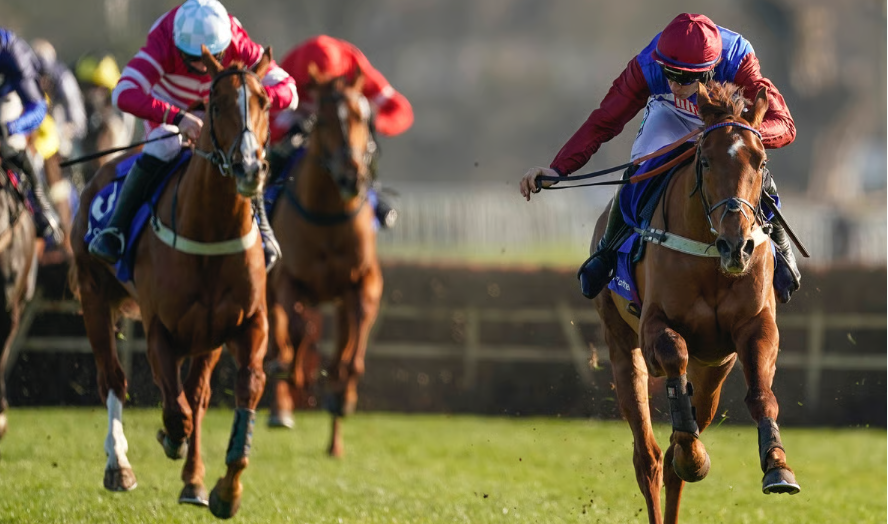
Most punters spend several hours studying from market movements, guides and ratings before they place a bet. But one of the biggest benefits in horse racing comes after the race has been run. Watching the race replays permits you in uncovering details that do not appears in the official results, assisting you in recognizing horses that are ready for improving next start.
A finishing position only narrates part of the story. A horse that has finished seventh, might have been unlucky, while the winner might have enjoyed the perfect run. Knowing how to do analysis of race replays can assist you in making smart betting decisions and stay ahead in the market. Expert punters mostly place just as much importance on race reviewing as they do on pre-race because of analysis.
Here are six important things to watch for while reviewing race replays
6 Key Things to Watch for in Race Replays
1. The Start Can Make All the Difference
The few seconds after opening in a race often decides how much work a horse should do. Watch whether the horse jumped cleanly from the barriers or has missed the starting altogether. A slow gateway can make the runner to settle more back than intended, which makes it very difficult to recover.
In the same manner, a horse that starts rapidly without getting pushed might possess good early speed which becomes a major benefit in a same race next time.
2. Track Position Throughout the Race
Barrier draws not always tells the complete story. At the time of replay, give attention to where the horse travelled. Has it race three or four wide without cover? Has it got trapped on the fence without no place to go? Did the horse enjoyed a good run behind the leaders?
Horses that covers extra ground expends more energy in comparison to those enjoying economical runs. A runner that runs well even with wide racing is worth following in all upcoming starts.
3. Traffic Problems and Interference
One of the most important insights from race relays is recognizing horses that faced bad luck. Official comments may briefly mention that a horse was “ blocked “ or “ Held up”, but the replay will show exact momentum lost.
Look for those horses that:
- Were boxed in at the time of straight
- Had to see their stride
- Were enforced to change course
- Lost important ground because of interference.
All these hidden performances are mostly ignored by casual punters who only study the last order.
4. The Horse's Finishing Effort
The final 200 meters can show more than the last position. Was the horse continuing charging through the line or it weakens once it is challenged?
A strong late finish might indicate the horse is ready for winning over a long distance or with a better tempo of the race. Contrariwise, a horse that faded badly post leading might have struggled with the speed or might have lacked stamina. Watching how a horse finished offers clues that old forms guides can’t capture.
5. Jockey Decisions During the Race
Good jockeys consistently make split second decisions that impacts the race outcome. When reviewing replays, see whether the rider offered the horse every opportunity.
Did they save ground along the rail? Move very early? Wait too long prior making their run? Were they forced to east as there was nowhere to go? A proper understanding of these strategic decision assists in explaining why some horse do better than what their finishing position suggests.
6. How the Race Was Run
Each race unfolds in a different manner. Some of them are run at fast tempo, which favors horses that settles off the pace, while others grow into slow tactical race that suit leaders.
While watching replays, take into consideration whether the race shape suited the racing style of the horse. A backmarker might have had a small chance in a slowly running event, while a front runner might have worked very hard in a speed battle.
With proper understanding of pace and race dynamics, you will get a clear image of each horse true performance than depending completely on form figures.
Take Your Racing Analysis Further
If you have made your mind to enhance your racing outcomes, having access to proficient insights in addition to your own analysis of replay can bring in a huge difference. The premium subscriptions available through Racing Rant offers members with deep race previews, betting plans, professional analysis and important racing content made to assist punters in making good decisions. A combination of quality race replays with strong guidance offers you a strong foundation for getting value before the market catches on.
Conclusion
Race replays are one of the most of the undervalued tools in analysis of horse racing. They show hidden performances, unlucky runs and strategic nuances that statistics along can’t explain. With focus on the start, tracking of position, interference, effort to finish, jockey decisions and race tempo. You will starting spotting opportunities for betting that several others miss.
The more consistent your review races are, the sharper your eye becomes. With time, replay analysis becomes one of the most important parts of your betting routine, assisting you in making more confident and well-informed selections.
Lay Betting on Betfair: A Pro Punter's Guide
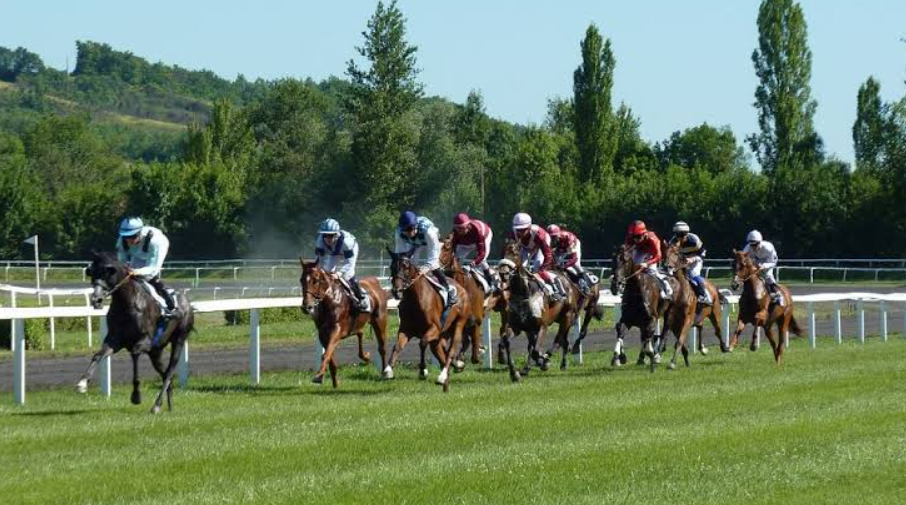
Appropriately itself the regular punting in Australia for generations was one simple action pick a winner. You looked over the form guide saw your horse and then backed it to win. However, the arrival of Betfair shook things up and enabled the common man to do something beyond what traditional bookies offered lay betting.
Put simply, lay betting is betting on something not to happen. Friday Night Moonee Valley Lay If you lay a horse in a Friday night Moonee Valley race, you collect on your bet if any other horse wins the race. You are, in effect, the house, wagering (someone else's money on a prediction you believe to be incorrect.
Central Aspect: Backers vs. Layers
Betfair is a peer-to-peer betting exchange where you can get bets your own prices unlike by the big corporate bookmakers who set their own markets. That means you are coming up against other Aussie punters head-to-head.
The Backer : (B)ets on the outcome to occur (see blue boxes in Betfair).
The Layer : Pinks on the boxes for Betfair : BETS ON AN outcome NOT to happen.
So, your stake if it is a lay bet, is simply how much money you want to win from the backer. But, since you are acting as the bookie in this case, you also must know what your liability is – how much you owe if the horse wins (you must pay out).
The Liability Formula: Liability"="Backer's Stake"×("Lay Odds" -1)
So, when you back a favourite at $2.50 with a $20 bet, your liability is ($20 x 1.5 = $30). When a favourite goes down you claim the backer for $20 dollars. If it wins, you lose $30.
Pro Strategies for Lay Betting
The pink side of the screen requires changing your punting mindset. Professional exchange traders never lay a horse at monstrous odds because if you do, a two-horse and the liability and erase your bankroll almost immediately. Successful lay betting, however, requires finding certain market inefficiencies not just any old one.
Attacking Overvalued Favourites
And the lay opportunities that provide the best returns for the traders who get involved, come when the public instigate a so-called "hype horse." A textbook lay opportunity is a runner that opens at short odds on the back of their popular jockey or impressive last start win, but your form analysis shows they have an awkward barrier drawn somewhere near you.
Live In-Play Tactics
Betfair allows you to trade until the very last moment at the winning post. Professional punters are closely watching live races for early signs of distress. If then, you have an over-backed ‘leader' in staying race that is really tested between the 2 mile and 1-mile posts and starts to look like they are going to be put under pressure from horses behind; or if a terminally layer odds on favourite looks quickly exposed with no obvious form ahead of them as the field approaches 20 furlongs.
Elevate Your Form Analysis
Spotting these inefficiencies involves world-class intelligence and deep data. To identify where the wrong fancies will be supported before the rest of the market catches wind be in tune with those on top.
This is where Racing Rant steps in. First up in your way, RacingRant is Australia's only free independent racing forum dedicated to the hardcore punter looking for pure unadulterated form analysis, mounting yard reports and horse by horse breakdowns that slice through the corporate bookie bull. Be it a favourite who has been overpriced as you seek for hidden value to back or a popular one to lay on the exchange, these expert community and elite betting insights give you that prod of sharp edge which will help you stay right and profiting.
Managing Your Risk
The golden rule of lay betting is never taking your eyes off your exposure. It is extremely enjoyable when you see a horse you laid fade into the pack, but if your bankroll management is bad then one performance can certainly be costly at these odds.
Never click submit till you work out your liability, be disciplined and always have daily loss limits treat the exchange like the stock market, other winning strategies follow Pay for Order Flow/Front Running, but discipline always beats emotion.
How to Use Speed Maps: A Complete Guide for Modern Punters
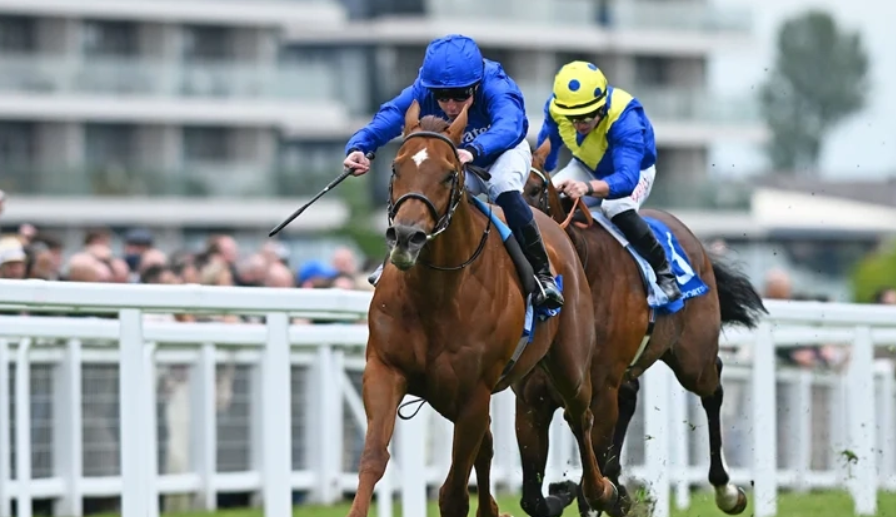
For someone looking for making smart horse racing bets, a proper understanding of speed maps is an important skill. While form, conditions of the track and barrier draws all have influence on race, speed maps assists in predicting how the race is going to unfold. This offers punters a strong idea of which horse might enjoy the best run and where value betting opportunities might exist.
Whether you are new to racing or you are experienced punter, knowing how to read a speed map can help in improving your betting decisions.
What Is a Speed Map?
A speed map helps in predicting where each horse will settle during the initial stages of a race. It is made by doing proper analysis of the racing patterns, early speed, barrier draws and jockey tricks.
Generally, runners are grouped into four different positions:
• Leaders
• On pace runners
• Midfield runners
• Backmarkers
Instead of predicting the winner, a speed map helps in forecasting the race shape, assisting punters in understanding how the tempo might favor various horses.
Why Speed Maps Are Important
Race position often have a major effect on the outcome.
Like for instance, when one horse is expected to lead comfortably, it might control the speed and preserve energy for the finish. On the other hand, if many runners push forward initially, the faster tempo can make opportunities for horses settling in the mid of the field or near the back.
By knowing the expected speed, punters can recognize horses most likely to obtain favorable runs while preventing runners that might face difficult racing conditions.
How to Read a Speed Map
Identify the Leaders
Start by looking for horses with natural initial speed. Think whether there is a clear leader or if many runners are likely to compete the front. A lone leader often have a tactical benefit, while several front runners can create a fast run race.
Assess the Tempo
The expected tempo is one of the most vital parts of a speed map.
• Slow tempo mainly is for leaders and on-pace horses.
• Fast tempo benefits the sturdy finishers who are coming from midfield or even back.
Matching the racing style of a horse with the expected tempo can assist in uncovering the betting value.
Consider Barrier Draws
Barrier positions puts an impact on how easily horses can settle where they want to race. An inside draw offers horses the chance for saving ground, but wider barriers might force runners to work hard initially.
But, barriers must always be considered alongside the natural racing pattern of a horse.
Factor in Jockey Tactics
Jockeys plays an important role in how the race unfolds. While some choose to ride aggressively, others are content in settling before they make a late run. Remaining aware of these tendencies can enhance your interpretation of a speed map.
Use Speed Maps with Form Analysis
Speed maps should never be used on their own. For getting the best betting decisions, mix them with:
• Latest form
• Conditions of the track
• Distance appropriateness
• Race class
• Weight carried
• Fitness
Looking at the full picture offers you a far better chance of recognizing authentic betting opportunities.
Racing Rant: Expert Racing News, Form Analysis & Betting Guides
If you are interested in enhancing your horse racing knowledge, Racing Rant is a good resource for Australian punters. This website provides expert racing news, guides for betting, analysis of form and educational content that covers topics such as speed maps, race methods and betting plans. Whether you are starting or refining your approach, RacingRant offers practical insights to assist you in making more informed betting decisions.
Conclusion
Speed maps have become one of the important tools for modern punters as they offer insights into how a race is likely to run. By knowing about early speed, race tempo, jockey tactics and barrier draws, you can easily assess each horse’s winning chances.
While no methods offers guaranteed success, mixing speed maps with proper form analysis can enhance your betting plans and assist you in making more confident decisions all through the racing season.
Understanding Place Betting: How It Works and When to Use It
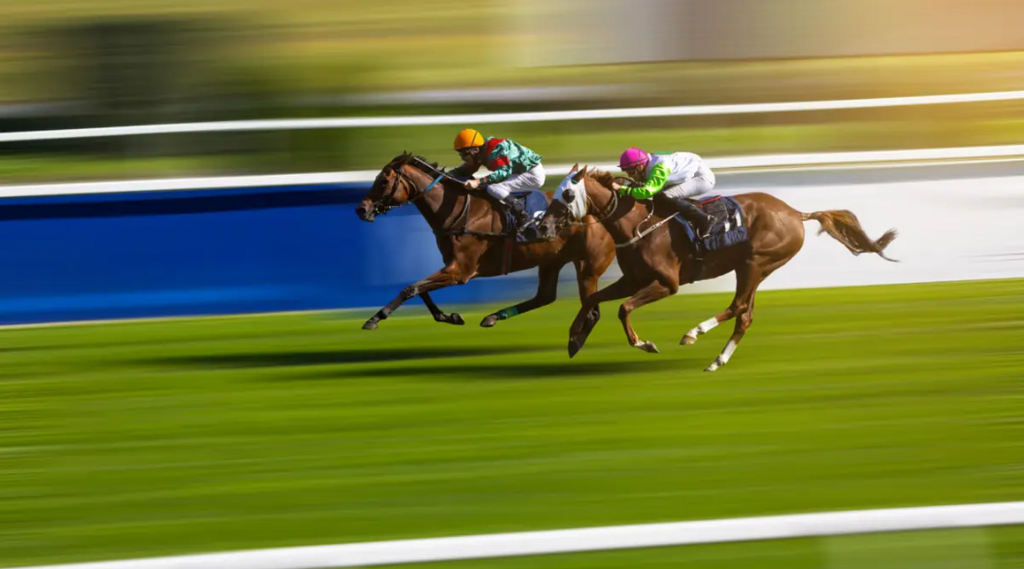
At first Horse racing betting might seem overwhelming, primarily because of so many betting options available. One of the simple and most popular options among Australian punters is place betting. Even if it may not provide huge payouts like picking a winner, place betting is a safe and constant strategy both for experienced and beginner bettors.
Let’s know how place betting works, when it is right time to use it and the reason punter include it as part of their racing strategy.
What Is Place Betting?
A place bet is a wager on a horse for finishing within a specific number of top positions in a race rather than requiring to win outright. The number of positions that counts as a place relies on the number of runners in the race and the rules of racing that has been applied by the bookmaker or any exchange platform. In maximum Australian horse races:
· 1-4 winners: Win betting only
· 5-7 runner: First and second count as a place
· More than 8 runners: First, second and third count as a place.
For instance, when you are placing a bet on a horse to: place” in a 10 runner race, your bet wins when the horse finishes first, second and third.
How Place Betting Works?
Suppose, a horse named Southern Echo is racing with odds of:
Win: $5.00
Place: $2.10
When you place a $50 place bet at $2.10 and in case, the horse finishes second, then in that case your return will be:
$50*2.10 = $105
This involves your original stake, which means you will gain $55.
When the horse finish outside the placing positions, there will be loss.
Place betting is popular in competitive races where prediction of the outright winner is difficult, but recognizing strong contenders in easy.
Why Punters Make use of Place Betting?
High chance of winning
The biggest benefit of place betting is enhanced consistency. As your horse only requires to finish near the top instead of win, your possibility of collecting a return is better.
This makes place betting attractive for:
- New punters learning about the ropes
- Traditional bettors
- Strategies for bankroll management
- Long racing carnivals with random outcomes
Less risk in economical fields
Some of the race are packed with even matched horses. In such situations, supporting a horse every way or simple placing of a bet can decrease the risk while still providing value. A horse might show strong performance but get narrowly beaten late in the race. With place bet, you can also walk away with a return.
Good for constant horses
Some horses finish on regular basis in the top three but win rarely. These runners can be a good place betting selections as their style of racing and constancy make them dependable contenders.
Experienced punters frequently study:
- Latest form
- Tracking conditions
- Barrier draws
- Jockey performance
- Distance fitness
For identifying horses that are likely to place constantly.
When to Place Betting?
At the time of unpredictable races
Big fields and wet tracks can form uncertainties in racing outcomes. Instead of risking all things on a win bet, placing bet offers a safe alternative. This plan is commonly used in major Australian races where the field is very much competitive and results are difficult to predict.
While supporting favorites with low value wins
In some cases favorites are priced too short in the win market for providing worthful value. In such cases, the place market might offer a more practical options for betting.
Like for instance, a horse paying $1.80 for winning might provide $1.20 to place. While the return is small, the chance of success is high.
As a part of long term strategy
Several successful punters emphasize steady growth instead of chasing big wins. Place betting can assist in decreasing volatility and preserve betting bankroll over time. Instead of depending on occasional big payouts, place betting backs a measured and good approach.
Place betting vs each way betting
A common question among the beginners is the difference that exist between place betting and each way betting. An each way betting is two bets:
- One bet is on the horse for win
- One bet on the horse to place
If the horse wins, both the bets succeed. If it only places, the place portion still pays out.
Place betting focus on horse finishing in the positions placed. Punters looking for low risk mostly choose straight place bets, while those looking for big returns might select each way betting.
How to Select Smart Place Betting?
To enhance your chance of success with place betting, take into consideration the following simple tips:
Study the recent form:
Search for horses constantly who are finishing near the front of the field. Dependable performers are mostly strong place candidates.
Prefer race conditions
Keep a track of surface, weather and race distance which all influences performance. Some horses survive under certain conditions.
Prevent emotional betting
Betting on favorite horses or any popular names without proper analysis of the form can result in poor decisions. Rather put emphasis on data and constancy.
Do comparison of odds
Several bookmakers and betting exchanges might provide different place odds. Checking varied options can enhance overall returns.
Enhance Your Horse Racing Knowledge with RacingRant
Want to make smarter horse racing betting decisions? RacingRant is your trusted source for expert racing insights, betting strategies, race previews, form analysis, and the latest horse racing news. Whether you're a beginner learning the basics of place betting or an experienced punter looking to improve your results, our comprehensive guides and expert tips can help you stay informed and bet with confidence. Visit RacingRant today and take your horse racing experience to the next level.
Conclusion
Place betting is a concrete and beginner friendly options for betting in horse racing. It provides a good balance between reward and risk, which makes it good for punters valuing consistency over high risk gambling.
In comparison to win betting the payouts might be small, but the enhanced strike rate makes place betting an efficient long term strategy when it is utilized wisely.
Whether you have started race newly or simply you are looking for some conventional approach, a proper understanding of when and how to use place betting can assist you in making smart and confident decisions.
How To Build a Betting System That Actually Works?
Every punter thinks of getting a betting system that constantly offers profits. But in reality, most of the betting systems fail as they are based on guesswork, handful of lucky outcomes and emotions. A successful betting system is not about doing prediction of each winner, but about creation of repeating processes that assists you in recognizing value and making smart betting decisions in long run.
Start With a Clear Set of Rules
For any successful betting system, foundation is a set of clear and objective rules. These rules must define with clarity about the kind of races, horses or betting markets which you want to target. Like for instance, you might focus on metropolitan races, horses with established form over the distance, or runners coming off a top-three finish.
Importance is maintenance of consistency. When your system depends on subjective opinions, you will find it difficult to measure its efficiency. Through clear criteria, you can perfectly keep a track of outcomes and recognize whether your plans has an authentic edge.
Use Data, Not Gut Feelings
Several losing punters depend heavily on intuition. Successful bettors, on the other hand, allow the data to guide their decisions. The track conditions, performance in the history, records of distance, and statistics of jockey and movements of market can all offers good insights.
While building a system, search for patterns that make a logical sense. A horse with a good record at a specific distance or under same race conditions is mostly a good betting proposition as compared to one chose purely because it has a good look on paper. The more the evidence that supports your selection criteria, the stronger your system will become.
Back-Test before You Bet
One of the major mistakes punter make is putting money on risk prior to testing of their strategy. Before doing commitment of any funds, run your system against race outcomes in the history. This process, called back testing, assists in determining whether your rules would have produced a profit over any relevant size of the sample.
A system that does well over 10 races means very less. A system that stays profitable across various races is far more reliable. Testing also facilitates you in recognizing weaknesses and make your approach refined before you involve your real money.
Focus on Value Rather Than Winners
Getting winners is vital, but searching for value is what makes successful punters different from the rest. A betting system must aim in identifying situations where the market has underestimated true chances of a horse.
Like for instance, when your analysis suggests that a runner has 30% chance of winning, but with odds it implies only 20% chance, that might represent value. With time, constantly supporting value selections can make strong returns that simply following favorites or pursuing short priced winners.
Manage Your Bankroll Properly
Even the best betting system will experience some losing runs. This is the reason bankroll management is required. It is important to take decision in advance about how much of your betting bank you are interested in staking on every selection and remain sticked to it.
Several professional punters make use of fixed staking or percentage based staking strategy for lessening risk. The goal is surviving at the time of inevitable downturns so that you can easily capitalize when your edge starts making results again. Without proper money management, even a profitable system can rapidly fall apart.
Keep Reviewing and Improving
Betting markets keeps evolving, What was working five years ago, might not work today. The most successful punters consistently keep a track of their outcomes, do analysis of performance and make adjustments wherever required.
Keep details of each bet, which also includes odds, size of the stake, conditions of the race along with outcomes. This information can reveal the trends and opportunities that assists in refining your system over time. A betting system must not be considered finished- rather always a work in progress.
Get an Edge with RacingRant
If you want to enhance your betting outcomes, an access to best quality racing insights can make a huge difference. RacingRant offers expert analysis, news of racing from insights and betting discussions made for assisting punters in making more informed decisions. Whether you are making your first betting system or you are refining an existing plan, Racing Runt provide good resources to assist you in staying ahead of the market and recognize opportunities which others might miss.
Conclusion
A betting system that really works is not built overnight, It needs research, discipline, testing and consistent refinement. By producing clear rules, depending on data, remaining focused on value and managing your bankroll efficiently, you can offer yourself a good chance of attaining long term betting success. Keep in mind that the goal is not winning every bet but it is to make constant better decision than the market with time.
Everything You Need to Know About the Betfair Exchange

For several sports and horse racing enthusiasts, customary bookmakers is one of the go-to options for placing bets since long time. But with Betfair Exchange, a new way of betting was introduced, supporting users to bet against one another instead of betting against a bookmaker. This approach has made Betfair one of the widely recognized betting exchanges all over the world and has changed the way bettors approach the market.
What Is the Betfair Exchange?
The Betfair Exchange is a peer to peer platform for betting where users create and match bets with other users. Here the bookmaker doesn’t sets the odds and take the opposite side of the wager. Rather bettor themselves have to determine the price that is available in the market. This mostly results in more competitive odds when compared with old sportsbooks.
The exchange works in a similar way to the marketplace. When one person trusts that an outcome will happen, the other person takes the opposite opinion. When both sides agree on the odds and stake, the bet is matched and is active.
Understanding Back and Lay Betting
One of the major difference between exchange betting and old style betting is the capability to both black and lay choices.
A back bet is the standard kind of wager with whom most of the people are aware with. You are betting that a specific result with happen, like horse winning a race or a team of football will win the match.
A lay bet, on the other hand, implies you are betting that a particular result will not happen. Like for instance, when you lay a horse for winning a race, you get profit when that horse loses. This reliability opens up wide opportunities of betting that are not available with customary bookmakers.
Reasons Why Bettors Select the Exchange
Several bettors select Betfair exchange due to its transparency and reliability. As users are efficiently betting against each other, the available odds becomes more favorable. The exchange acts like a platform that matches bets instead of functioning as a traditional bookmaker.
Another benefit is the capability to trade positions even before the event ends. Odds consistently move depending on the market activity, facilitating bettors to get profits or decrease losses by placing extra bets at the time of event. Popular plans like “back to lay” and “lay to back” have become highly used among the experienced exchange bettors.
How Commission Works?
Not like traditional bookmakers that make profit margins into their odds, betting exchanges earn revenue through commission. This commission is generally charged only on net winnings instead of every bet placed. Because of this, many bettors still find the overall value provided by exchanges highly competitive.
Prior to placing bets, it’s vital to understand how commission affects potential returns and to include it while calculation of profit.
Liquidity is important
An important concept in exchange betting is liquidity. It refers to the money available in a market for matching of bets. High liquidity markets mainly offers better odds, fast matching and smooth opportunities for trading. Major horse racing events, football matches and other such sports mainly attracts substantial liquidity.
When liquidity is low, there can be delay in bettors getting their wagers matched or might require to accept various odds than which was expected at first.
Stay Ahead with Expert Racing Insights
For horse racing enthusiasts, who want to complement their strategy of exchange betting, RacingRant has become one of the important destination for racing news, experts tips, race previews, reviews of video and insights of insiders from Australian leading racing jurisdiction. Whether you are knowing race conditions, researching form or searching for professional analysis prior to placing a wager, Racing Rant offers detail coverage that assists bettors in making more informed decisions.
Conclusion
The Betfair Exchange provides a unique alternative to customary betting by helping users to back and lay selections while getting advantage from market driven odds. Its reliability, opportunities for trading, and competitive pricing have made it one of the best choices among both casual and experienced bettors. Knowing concepts like back betting, lay betting, liquidity
Our brands


Invalid password
Enter