
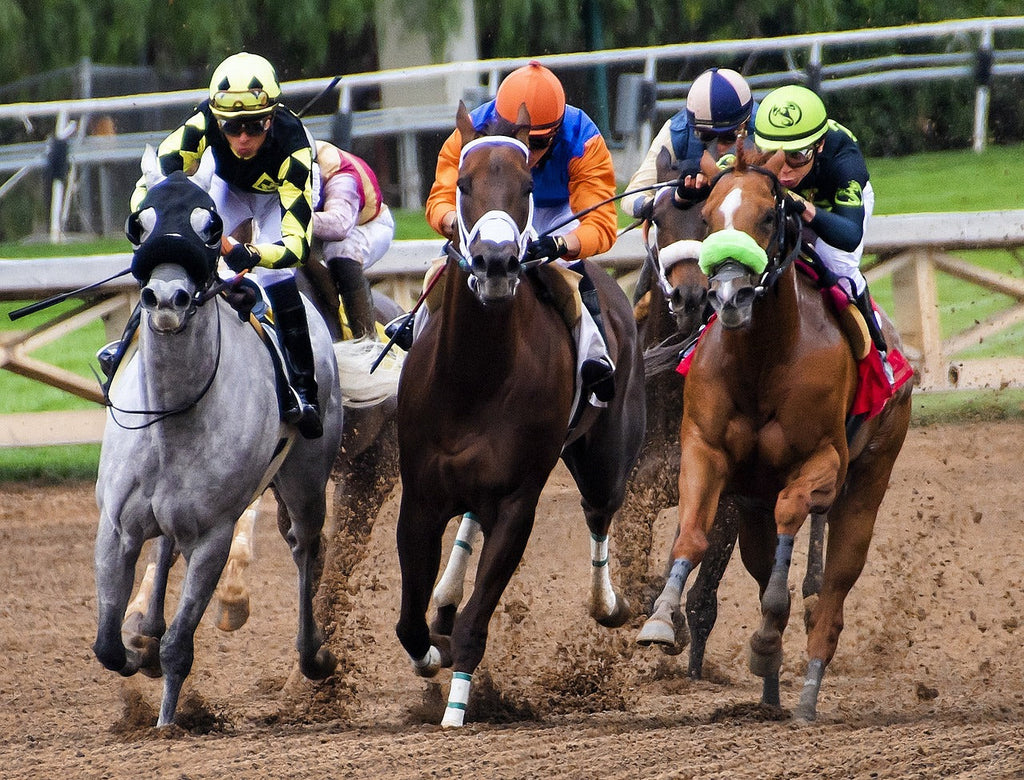
You are already half the way to comprehending the track bias when you have ever watched a horse race and found yourself wondering why these horses always perform better when they are in certain positions or lanes. For bettors, becoming aware of track bias can be the difference between making an educated decision likely to yield a profit and just throwing their hat in.
In this guide, we are going to see what track bias is, why it takes place and how you can use it to enhance your betting strategy.
What is Track Bias in Horse Racing?
Track bias is a phenomenon in which some portions of the racetrack provide an advantage over other portions of the racetrack. This implies that the chances of success that horses in particular lanes and positions or racing styles will have a higher chance of success, not necessarily by virtue of their being better, but simply by the idiosyncratic circumstance that they are racing well.
For example:
- Racers who are close to the inside rail could have an edge.
- Horses that lead the pack may outcompete those who are trailing.
- Some of the lanes may be quicker or smoother in comparison to others.
These patterns may be used to guide bettors towards finding concealed opportunities.
Types of Track Bias
1. Inside Bias
It is seen when there is an apparent advantage to horses running near the rail. This frequently occurs when the inner track is harder or smaller.
2. Outside Bias
In other instances, the outer lanes do a better job - particularly in cases where the inner lanes are soiled or wet.
3. Speed Bias
Speed bias is a favor to horses which are ahead at the start of the race and are still ahead by the conclusion of the race. Such horses are not as interfered with and are able to regulate the speed.
4. Closing Bias
This is the contrary of speed bias. Horses that take their time to finish and soar at the end benefit when the initial pace is untenable, exhausting the early leaders.
How to Detect Track Bias.
To identify track bias in the spot, one has to observe and acknowledge the pattern. This is one of the ways bettors can do it effectively:
Watch Earlier Races
Take note of the way races have been running all day long. Does the winner always have the same location or lane?
Look for Patterns
When several races are reported with comparable results (such as leading participants staying on top of the pack), it might represent a bias.
Analyze Sectional Times
Faster running horses in specific lanes can give a clue to the areas of the track that run faster.
Compare Performance with Expectations.
Whether underdogs are performing optimally over their favorite counterparts in the same position, a possible cause of this could be track bias.
How Track Bias Impacts Betting Strategy
Adjust Your Selections
A moderately-formed horse in a good position on a discriminatory race-course can be faster than the stronger ones.
Re-evaluate Past Performances
When a horse underperforms on a biased track, it may be a good idea to support it next time under unbiased conditions.
Focus on Running Style
Fit the racing style of the horse with the bias in terms of its current. For example:
- Instead, leading a race on a speed-biased circuit.
- Support closers are used when the winning late runners are losing.
Using Track Bias for Long-Term Success
Track bias is no magic bullet to winning; however, when applied the right way to the track, it provides a formidable advantage. This is all a matter of consistency:
1. Monitors the results of a track race in time.
2. Keep records of certain music and circumstances.
3. Integrate discrimination knowledge with more extensive race analysis.
RacingRant: Professional Racing Analysis for Smarter Betting Strategies
In case you are serious about the kind of betting strategy that you should have, then keeping up with professional analysis can afford you a substantial advantage. Websites such as RacingRant provide a breakdown of the race, some betting advice, and suggestions on factors such as track bias, which assist you in making more intelligent and confident choices. Whether you’re a beginner or an experienced bettor, leveraging such resources can enhance your overall performance.
Conclusion
One of the most ignored yet significantly affecting factors in horse racing betting is called track bias. By knowing the effects of track conditions on race results, you may be able to see what other people may have overlooked.
Considering the fact that odds or previous performance are not the only factors to be used, the inclusion of track bias in your strategy will enable you to act more wisely and strategically. You can make this knowledge a useful investment on race day, with careful observation, analysis and practice.


Comments