
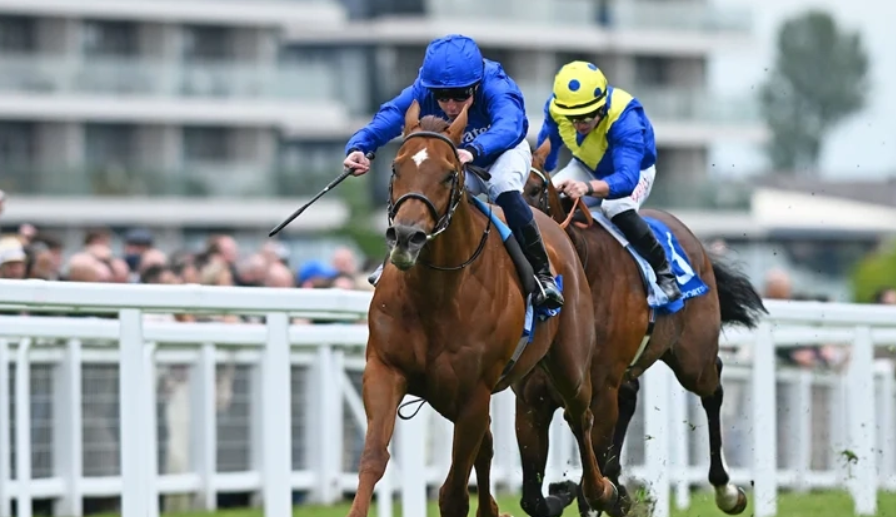
For someone looking for making smart horse racing bets, a proper understanding of speed maps is an important skill. While form, conditions of the track and barrier draws all have influence on race, speed maps assists in predicting how the race is going to unfold. This offers punters a strong idea of which horse might enjoy the best run and where value betting opportunities might exist.
Whether you are new to racing or you are experienced punter, knowing how to read a speed map can help in improving your betting decisions.
What Is a Speed Map?
A speed map helps in predicting where each horse will settle during the initial stages of a race. It is made by doing proper analysis of the racing patterns, early speed, barrier draws and jockey tricks.
Generally, runners are grouped into four different positions:
• Leaders
• On pace runners
• Midfield runners
• Backmarkers
Instead of predicting the winner, a speed map helps in forecasting the race shape, assisting punters in understanding how the tempo might favor various horses.
Why Speed Maps Are Important
Race position often have a major effect on the outcome.
Like for instance, when one horse is expected to lead comfortably, it might control the speed and preserve energy for the finish. On the other hand, if many runners push forward initially, the faster tempo can make opportunities for horses settling in the mid of the field or near the back.
By knowing the expected speed, punters can recognize horses most likely to obtain favorable runs while preventing runners that might face difficult racing conditions.
How to Read a Speed Map
Identify the Leaders
Start by looking for horses with natural initial speed. Think whether there is a clear leader or if many runners are likely to compete the front. A lone leader often have a tactical benefit, while several front runners can create a fast run race.
Assess the Tempo
The expected tempo is one of the most vital parts of a speed map.
• Slow tempo mainly is for leaders and on-pace horses.
• Fast tempo benefits the sturdy finishers who are coming from midfield or even back.
Matching the racing style of a horse with the expected tempo can assist in uncovering the betting value.
Consider Barrier Draws
Barrier positions puts an impact on how easily horses can settle where they want to race. An inside draw offers horses the chance for saving ground, but wider barriers might force runners to work hard initially.
But, barriers must always be considered alongside the natural racing pattern of a horse.
Factor in Jockey Tactics
Jockeys plays an important role in how the race unfolds. While some choose to ride aggressively, others are content in settling before they make a late run. Remaining aware of these tendencies can enhance your interpretation of a speed map.
Use Speed Maps with Form Analysis
Speed maps should never be used on their own. For getting the best betting decisions, mix them with:
• Latest form
• Conditions of the track
• Distance appropriateness
• Race class
• Weight carried
• Fitness
Looking at the full picture offers you a far better chance of recognizing authentic betting opportunities.
Racing Rant: Expert Racing News, Form Analysis & Betting Guides
If you are interested in enhancing your horse racing knowledge, Racing Rant is a good resource for Australian punters. This website provides expert racing news, guides for betting, analysis of form and educational content that covers topics such as speed maps, race methods and betting plans. Whether you are starting or refining your approach, RacingRant offers practical insights to assist you in making more informed betting decisions.
Conclusion
Speed maps have become one of the important tools for modern punters as they offer insights into how a race is likely to run. By knowing about early speed, race tempo, jockey tactics and barrier draws, you can easily assess each horse’s winning chances.
While no methods offers guaranteed success, mixing speed maps with proper form analysis can enhance your betting plans and assist you in making more confident decisions all through the racing season.


Comments